
How Many Layers of Roofing Are Allowed in SC
Roofing is one of the most critical parts of any home or building. Not only does it protect the structure from the elements, but it also plays an essential role in energy efficiency, safety, and curb appeal. When it comes to re-roofing or repairs, many homeowners and contractors in South Carolina often ask the same question—how many layers of roofing are allowed in SC?
Understanding the roofing regulations in South Carolina is vital to prevent compliance issues, maintain safety, and ensure the longevity of the structure. At ABL Roofing And Construction, we’re here to help demystify these rules and provide you with expert guidance at every step of your roofing project.
What Are the Roofing Regulations in South Carolina?
South Carolina adheres to the International Building Code (IBC), which guides local and state building practices, including roofing. According to these regulations, a home in South Carolina is generally allowed a maximum of two layers of roofing material. Whether you’re working with asphalt shingles, metal, or other materials, adding a third layer is typically not permitted due to safety concerns and structural risks.
Here’s why:
- Weight Load Challenges – Multiple roofing layers add significant weight that the structure may not be designed to support, particularly in older homes.
- Ventilation Problems – Additional layers can restrict airflow, leading to moisture retention and potential mold or rot issues in the roofing system.
- Code Compliance – Exceeding two layers of roofing violates zoning and safety regulations, leaving you subject to penalties or costly legal issues.
If your home already has two layers of roofing and additional work is needed, you will likely need to remove at least one layer before proceeding with repairs or new installations.
Why These Regulations Matter
South Carolina’s two-layer roofing rule isn’t arbitrary. It’s rooted in critical factors that influence safety, energy efficiency, and the long-term durability of your roofing system.
Safety
Excessive roofing layers increase the load on your home’s structural framework. This added weight can lead to sagging, stress, or even catastrophic failure during extreme weather events such as hurricanes or heavy rain—both of which South Carolina is prone to experience.
Energy Efficiency
It may seem like more layers would provide enhanced insulation, but the opposite is often true. Additional layers trap heat, making cooling systems work harder, thereby driving up energy bills. A single, efficient layer or proper ventilation ensures ideal energy use.
Durability and Longevity
By limiting the roofing layers to two, South Carolina regulations ensure that roofing systems maintain their structural integrity. Additional layers can hide existing damages such as leaks or rotting, leading to costly repairs down the road.
How ABL Roofing And Construction Can Help
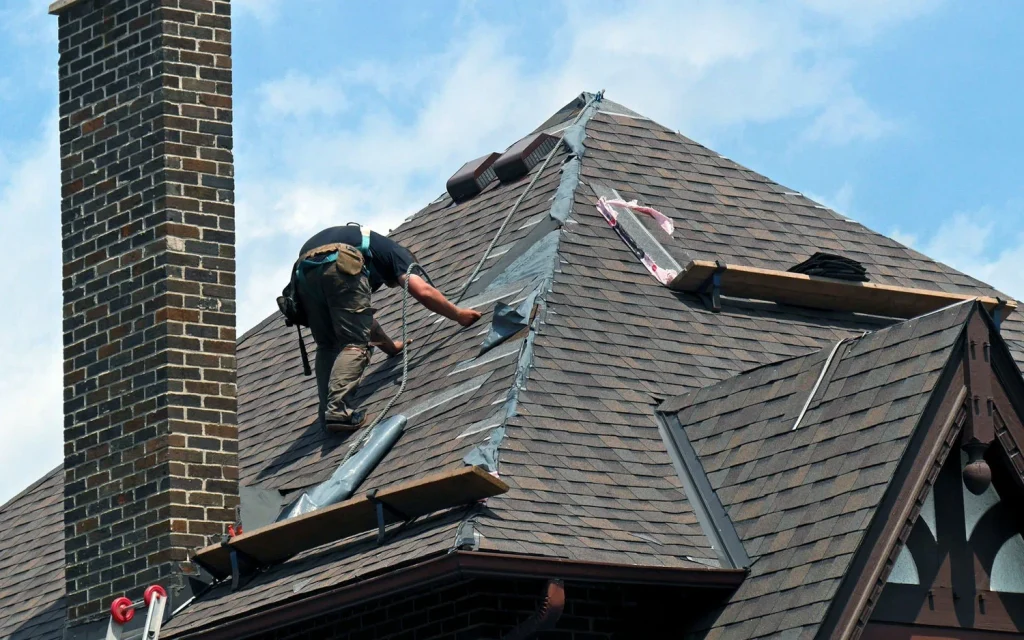
At ABL Roofing And Construction, we understand that navigating roofing regulations can feel overwhelming. With years of experience working on roofing projects across South Carolina, we ensure that every project we undertake meets and exceeds local codes and standards.
Here’s why homeowners and contractors trust us for their roofing needs in SC:
- Expertise in Local Regulations: Our team stays updated on all South Carolina roofing codes, including any recent changes to ensure your project is fully compliant.
- Tailored Roofing Solutions: We work with a variety of materials like asphalt shingles, metal roofing, and tile, helping you decide the best approach for your specific structure.
- Permit Assistance: We assist homeowners in obtaining the necessary permits required for roofing work, saving you time and stress.
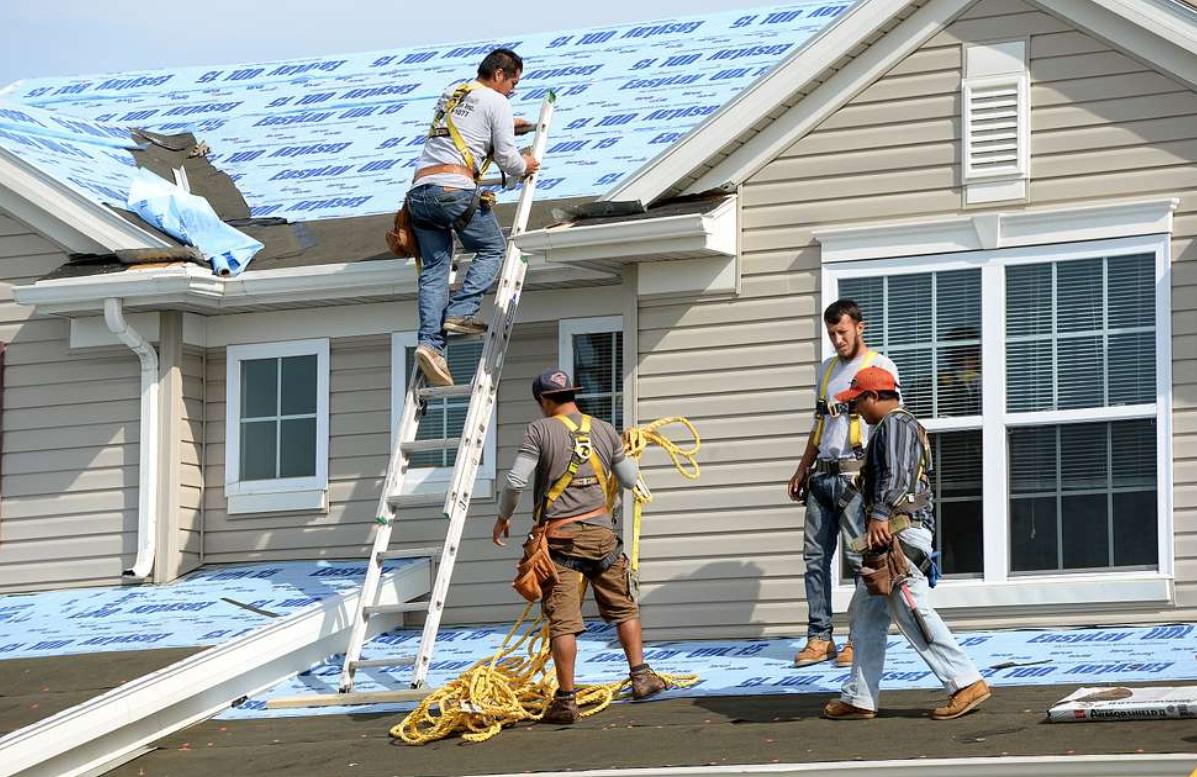
- Layer Removal: For projects that involve removing old roofing layers, we ensure the job is done safely and efficiently before installing new materials.
Whether you’re adding a new roof or maintaining an old one, we’ve got you covered!
Popular Roofing Materials in South Carolina
The type of roofing material used can influence how many layers your property can handle. Here’s an overview of the most commonly used materials in South Carolina and their considerations:
Asphalt Shingles
- The most popular choice due to affordability and durability.
- Typically allows for one to two layers before requiring removal.
Metal Roofing
- Lightweight but durable, often used for its energy efficiency and longevity.
- Rarely installed as a second layer due to compatibility issues with pre-existing materials.
Tile Roofing
- Known for longevity and aesthetics, but its weight makes adding additional layers impractical.
Flat Roof Materials (EPDM, TPO)
- Often used in commercial applications, these are typically replaced entirely rather than layered.
Wood Shingles
- Less common today due to fire code regulations, but older homes in South Carolina may still have them.
Before deciding on your roofing material, speak with experts like ABL Roofing And Construction to ensure compliance with local rules and safe installation practices.
Tips for Navigating Roofing Regulations in SC
Whether you’re a homeowner or a contractor, keeping these tips in mind will help you stay compliant and protect your property:
Always Obtain Permits
Roofing work often requires permits to ensure compliance with local building codes. Never skip this step as it can result in fines or void insurance coverage.
Inspect Before Installing
If you already have two layers of roofing, your contractor will need to remove at least one layer to proceed. A thorough inspection can help identify existing damage that might need addressing.
Work with Licensed Contractors
Partner with reputable contractors like ABL Roofing And Construction, who know the laws and will ensure your roofing project meets all state guidelines.
Stay Updated on Codes
Building codes change over time. Make sure to stay informed about any updates or amendments to the regulations in South Carolina.
Invest in High-Quality Materials
Opt for durable materials that won’t require frequent replacement. Longer-lasting roofing minimizes the need for too many layers over time
FAQs About Roofing Regulations in South Carolina
No, South Carolina regulations generally prohibit adding a third layer of roofing to ensure structural safety and compliance with building codes.
A thorough inspection by a professional roofing contractor like ABL Roofing And Construction can determine how many layers your roof currently has.
Violations can result in fines, costly repairs, or removal of the non-compliant roofing layers. It’s best to avoid this by adhering to local codes and working with licensed professionals.
Permit requirements vary by municipality, but most roofing projects require a building permit. ABL Roofing And Construction can help you secure the necessary documentation.
- How often should I replace my roof in South Carolina?